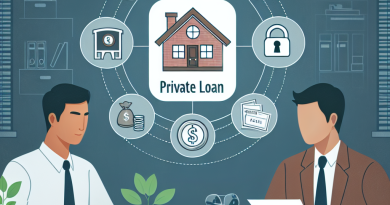
Understanding the Basics: What You Need to Qualify for a Private Loan
Understanding the Basics: What You Need to Qualify for a Private Loan
Private loans can be a convenient option for individuals who are looking for quick access to funds that may not be available through traditional lenders such as banks or credit unions. However, qualifying for a private loan is not as straightforward as obtaining financing from a traditional lender. In this article, we will explore the basics of what you need to qualify for a private loan.
What is a Private Loan?
Private loans are loans provided by individuals or private investors, rather than traditional financial institutions. These loans are typically used for a variety of purposes, including real estate investments, business ventures, and personal expenses. Private loans often come with higher interest rates and shorter repayment terms compared to traditional loans.
Factors to Consider When Applying for a Private Loan
When applying for a private loan, there are several factors that lenders will consider when determining your eligibility. These factors may vary depending on the lender, but some common criteria include:
1. Credit Score: Your credit score is a crucial factor that lenders will consider when evaluating your application for a private loan. A higher credit score indicates to lenders that you are a reliable borrower who is likely to repay the loan on time.
2. Income: Lenders will also look at your income to assess your ability to repay the loan. They may require you to provide proof of income, such as tax returns or pay stubs, to verify that you have the means to make timely repayments.
3. Collateral: Some private lenders may require you to provide collateral, such as real estate or other valuable assets, to secure the loan. This provides lenders with a form of security in case you default on the loan.
4. Business Plan: If you are applying for a private loan for a business venture, lenders may ask for a detailed business plan outlining your goals, strategies, and financial projections. A well-thought-out business plan can help demonstrate to lenders that you have a solid plan for success.
5. Personal Background: Lenders may also consider your personal background, including your education, work experience, and financial history, when evaluating your application for a private loan. A strong personal background can help instill confidence in lenders that you are a responsible borrower.
How to Improve Your Chances of Qualifying for a Private Loan
If you are considering applying for a private loan, there are several steps you can take to improve your chances of qualifying:
1. Build a Good Credit History: Maintaining a good credit history by making timely payments on your debts and managing your credit responsibly can help improve your credit score, making you a more attractive borrower to private lenders.
2. Increase Your Income: If possible, try to increase your income by taking on additional work or pursuing opportunities for career advancement. A higher income can improve your debt-to-income ratio, making you more likely to qualify for a private loan.
3. Provide Collateral: If you have valuable assets that you can use as collateral, consider offering them to secure the loan. Collateral can provide lenders with added security, increasing your chances of approval.
4. Create a Solid Business Plan: If you are seeking a private loan for a business venture, be sure to create a detailed business plan that outlines your goals, strategies, and financial projections. A well-prepared business plan can help demonstrate to lenders that you have a clear path to success.
Conclusion
Qualifying for a private loan requires careful consideration of your financial situation, credit history, and overall eligibility. By understanding the basics of what lenders look for when evaluating loan applications and taking steps to improve your financial standing, you can increase your chances of successfully obtaining a private loan. Remember to research potential lenders, compare loan terms, and carefully review the terms and conditions of any loan agreement before committing to ensure that you are making a sound financial decision.